Multi-Radar 3D Tracking of CTGCs

J. Valdivia-Prado1, K. Friedrich1, T. Zaremba2, S. Tessendorf3

1 University of Colorado, Boulder  •  2 University of Washington  •  3 National Center of Atmospheric Research

Explore
01

Cloud Top Generating Cells (CTGCs)

The "Invisible" Snow Producers

Cloud Top Generating Cells (CTGCs) are crucial for winter precipitation. They produce snow on small scales, yet their structure, and microphysics remains largely misunderstood.

  • The Problem: Often too small (<1km) for standard operational radars and numerical weather forecast models to resolve.
  • Opportunities: New research reveals distinct lifecycle phases (Initiation → Mature → Dissipation) and proves some cells are larger than previously thought.
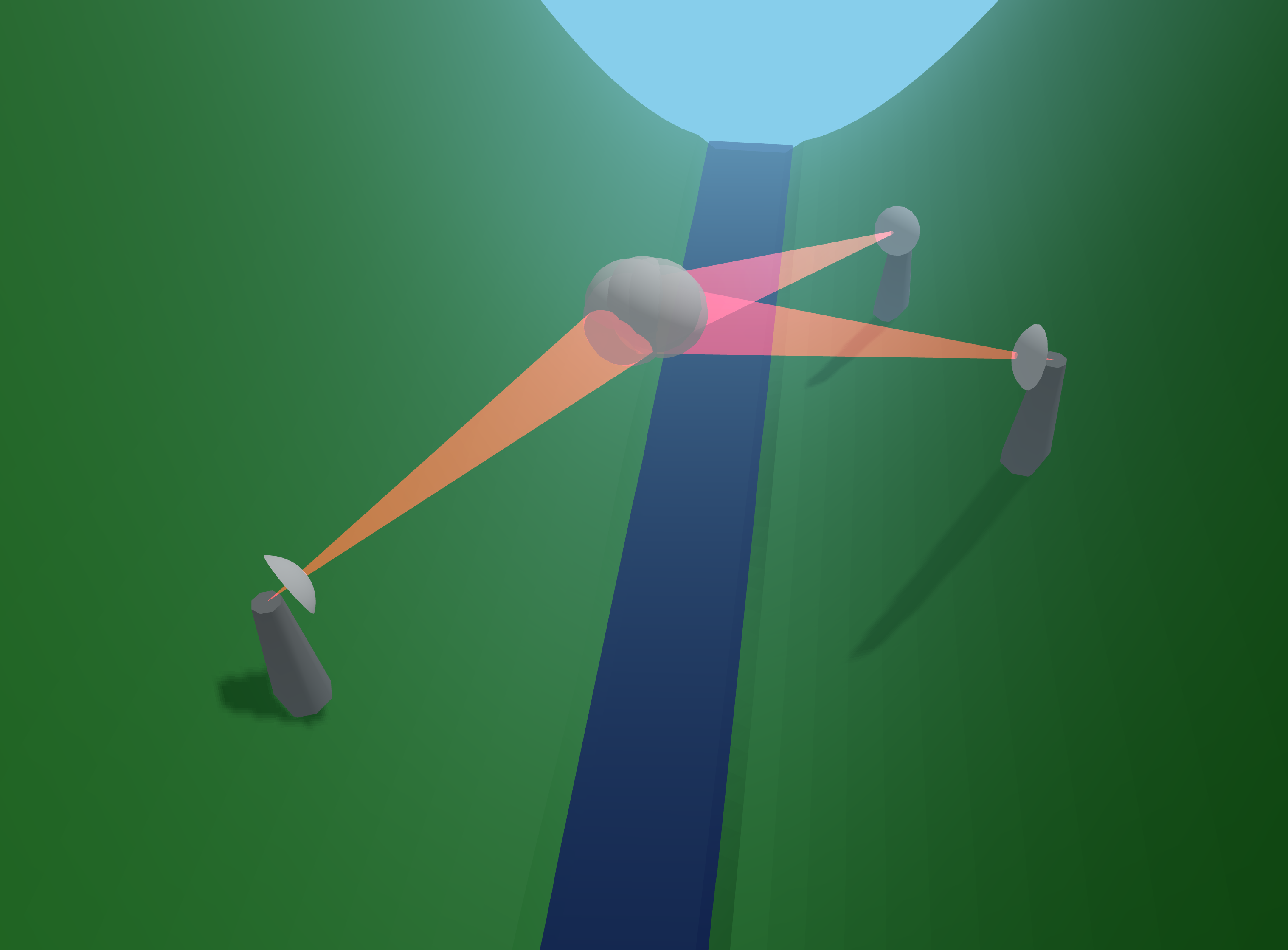
Figure 1: Lifecycle of a Cloud Top Generating Cell Population.

02

Tracking a single CTGC

We want to observe the 3D Structure

To see what was previously invisible, we employed a multi-angle approach using a triangle of radars. By combining the viewpoints, we can reconstruct the volume.

  • Target: Following a single CTGC over time, using maximum reflectivity method in X-Band.
  • Tools: 3-Radar Combined Observation (X-Band, C-Band, S-Band).
  • Scan Strategy: Synchronized volume scans every 6 minutes (approx. 18 sweeps per radar in one volume).
3D Radar Beams

Figure 2 & 3: Experimental setup and single CTGC path.

03

Data Processing

📡

Raw Radar Data

X, C, S Band inputs

⚖️

Normalization

Reflectivity Field Deviations

🧊

3D Gridding

High-res (0.1km)

Smooth Model

Gaussian Smoothing

Different frequencies and angles of incidence produce different radar returns from ice particles. We created a "Normalized Reflectivity Field" to merge bands seamlessly.

04

The Core Result

4D Evolution: Structure & Detachment

Visualization of a single cell from Initiation to Dissipation reveals:

  • Life cycle consistent with framework shown in Fig. 1.
  • Preferential sedimentation, where big particles fall first.
  • Remanent of the CTGC get detached from the main cloud.

Figure 4: Time lapse of the 3D isosurface showing CTGCs evolution.

05

Analysis & Future Work

Tracking Fall-Streaks

High-res 3D fields allow precise tracking of the fall-streak position, permitting microphysical analysis.

  • Future Goal: Use dual-frequency differences + T-Matrix methods to identify particle types.
  • Impact: Better understanding of microphysical impacts of CTGCs on precipitation. This opens the door for parameterization in operational weather forecasting models.

Figure 5: Vertical cross section showing the fall-streak.